Lady Liberty in Boxers: Stripping the Myth to Reveal the Human
Lady Liberty in Boxers: Stripping the Myth to Reveal the Human
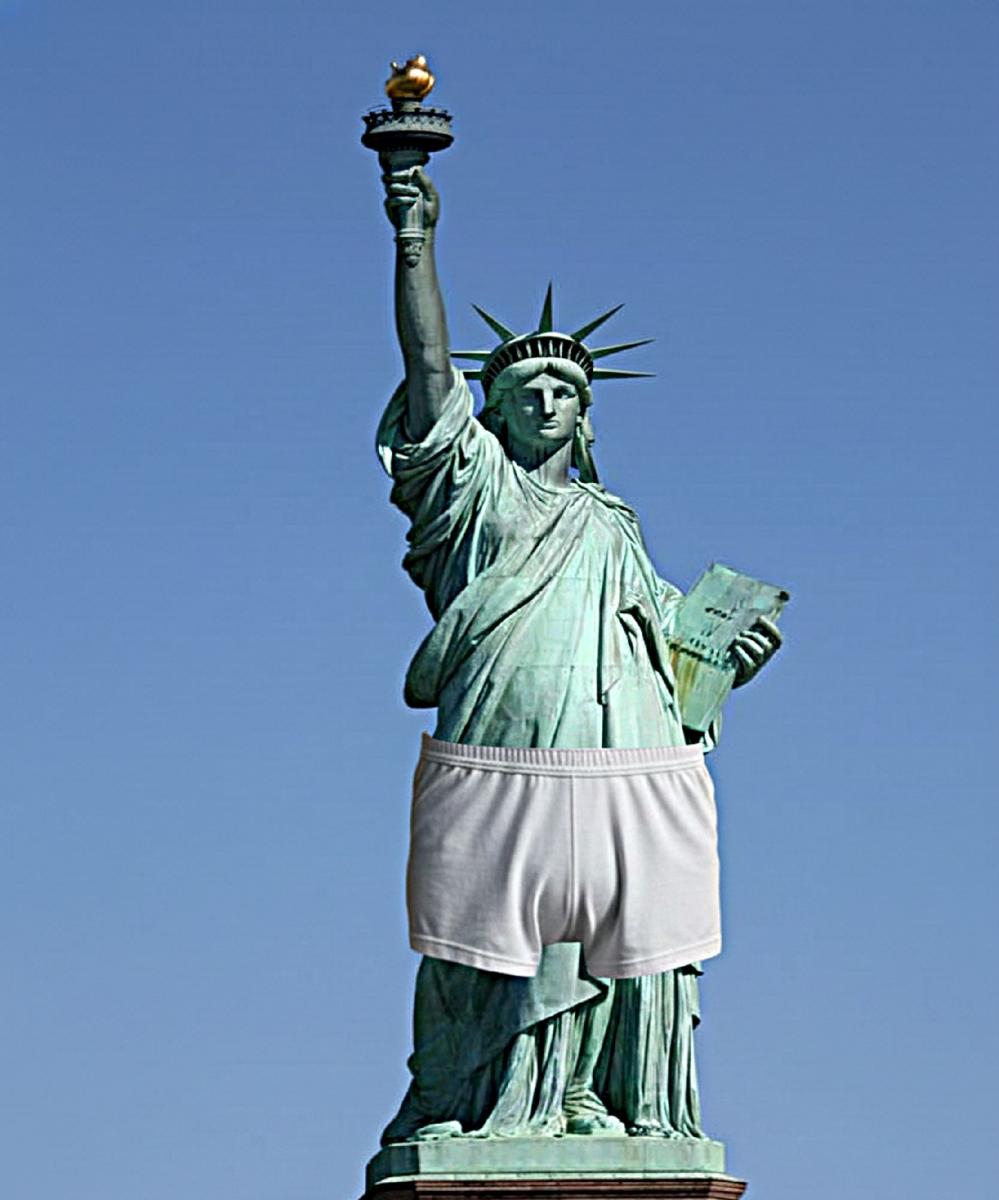
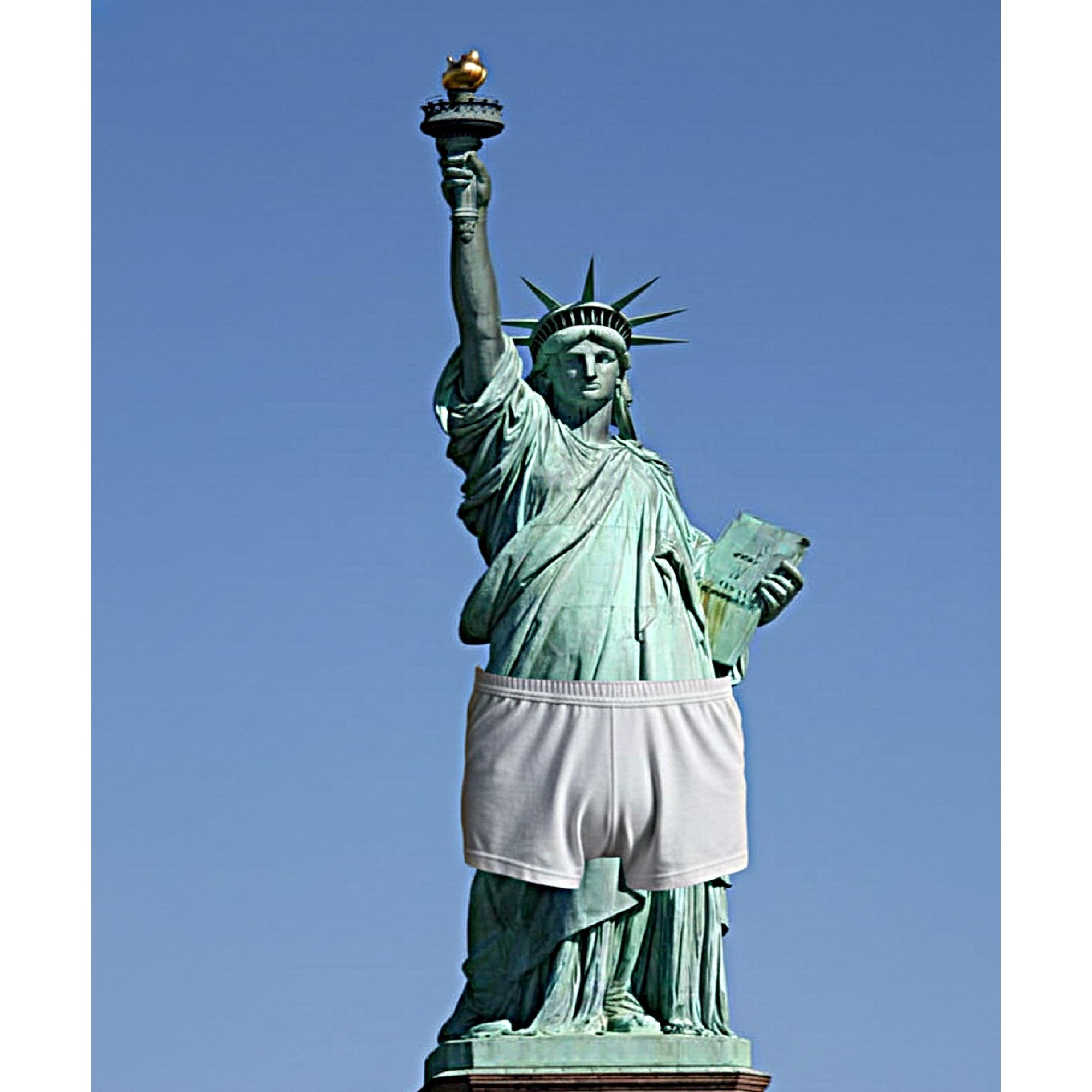
Imagine the Statue of Liberty. Not as the solemn guardian of New York Harbor, but as an icon unexpectedly "dressed" in a pair of boxers. This startling vision is the essence of Fanty Building (Enrico Thanhoffer Munico) and his movement: Globism. More than a mere prank, it is a visual manifesto questioning our perception of icons, architecture, and globalization.
The Semantic Short-Circuit: Sacred vs. ProfaneThe image of Lady Liberty in boxers is a perfect "semantic short-circuit." On one hand, we have the Statue: a universal symbol of freedom, democracy, and American monumentality. On the other, the boxers: the ultimate intimate garment, an emblem of the private sphere, hidden nudity, and personal daily life.
This juxtaposition creates a jarring contrast. The sublime ideal of Liberty is suddenly humanized—or perhaps ridiculed. Fanty Building operates a playful desecration, forcing us to confront the idea that even the most sacred symbols have a corporeal, vulnerable, and even comic dimension. It suggests that behind the luster of global icons lies a reality that is more intimate, fragile, and ironic.
Globism: A Cry for Fantasy Against HomogenizationThis work embodies the philosophy of Globism, founded by Thanhoffer to fight the rigidity and standardization of the modern world. The artist's name itself, Fanty Building (Fantasia + Building), reveals the mission: to reintroduce imagination and uniqueness into the cold structures of modern society.
Globism is an acute critique of standardized architecture dominated by the rationalist "cube." "Dressing" a massive monument in a soft, organic element like underwear is a demand for emotion, sensuality, and physicality in our built environment. Fanty Building reminds us: “Reality is appearance, but appearance is not reality.” The Statue is the idealized appearance; the boxers are the intimate "reality" that, once exposed, transforms the icon into a deeply significant simulacrum.
The Mutanda Buildings: Architecture that Strips and DressesThis concept is a monumental extension of the Mutanda Buildings series. Here, the idea expands from design objects (like the Mutanda Desk) to the ultimate global landmark.
The Mutanda Buildings attempt to make architecture anthropomorphic and playful. The intervention on the Statue of Liberty is its ultimate expression: a monument already shaped like a human is brought back to an ironic nakedness through a partial covering. This "dressing" transforms it into a giant Pop fetish, forcing a reflection on the relationship between the body, intimacy, and our surroundings. Fanty Building is a pioneer in using the "first home" (the underwear) as a metaphor for an architecture that is more human and less alienating.
Conclusion: The Liberatory Power of Irony
In an era of omnipresent images and global icons, Fanty Building offers a liberating key. By using kitsch and irony as weapons, the artist denounces alienation, inviting us to look beyond the standardized public facade of reality.
The image of the Statue of Liberty in boxers is an invitation to rediscover the fantasy, intimacy, and uniqueness of the individual in a world determined to uniform us. It is precisely in this irreverence that the true power of Fanty Building’s art resides.
Informazioni generali
-
Categoria: Architettura
Informazioni sulla vendita
- Disponibile: no
Informazioni Gigarte.com
- Codice GA: GA236101
- Archiviata il: 15/12/2025
Hai bisogno di informazioni?
Vuoi chiedere maggiori informazioni sull'opera? Vuoi conoscere il prezzo o fare una proposta di acquisto? Lasciami un messaggio, risponderò al più presto