The "Mutanda Drone": Surveillance as a Second Skin
The Flying Intimacy: When Surveillance Becomes a Daily Garment
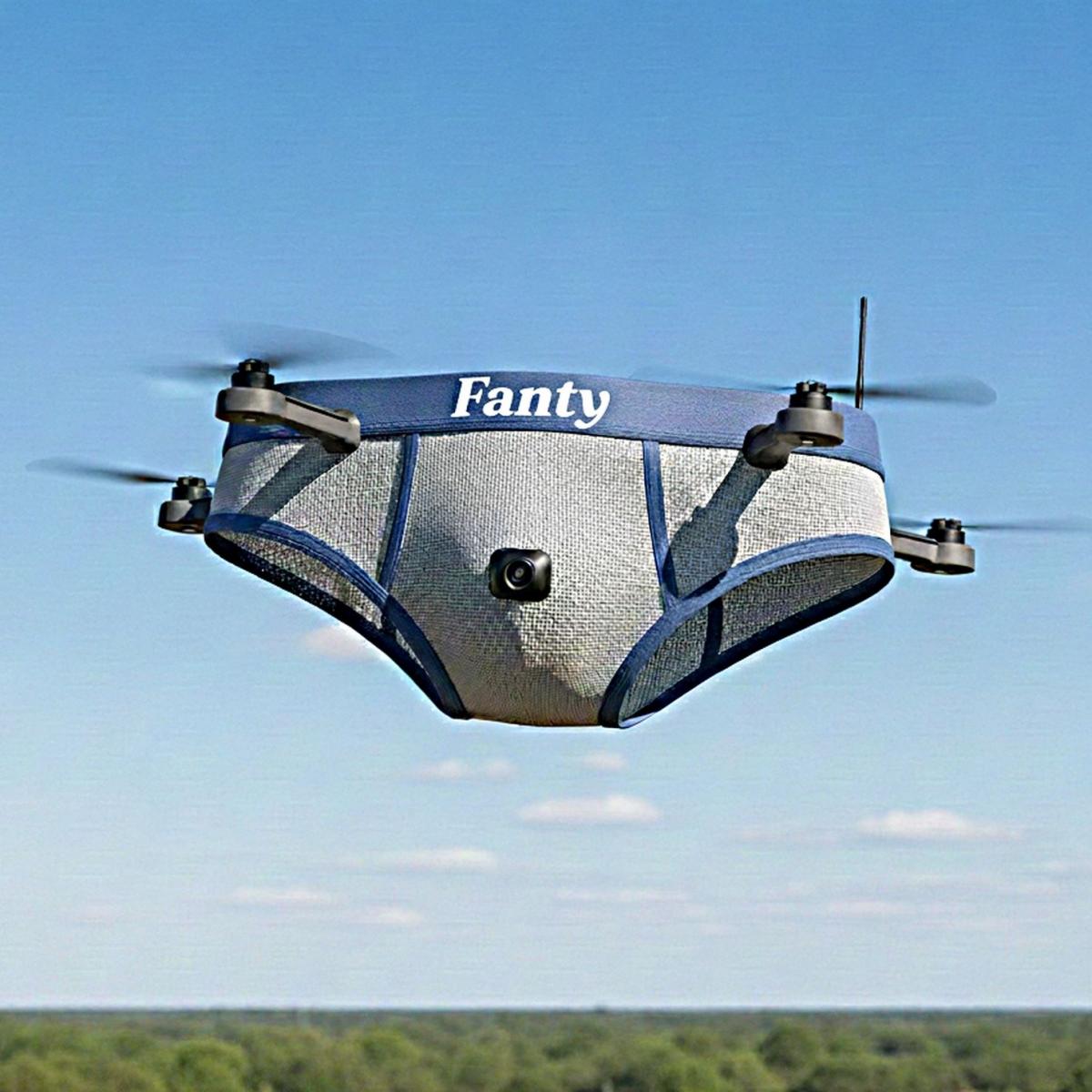
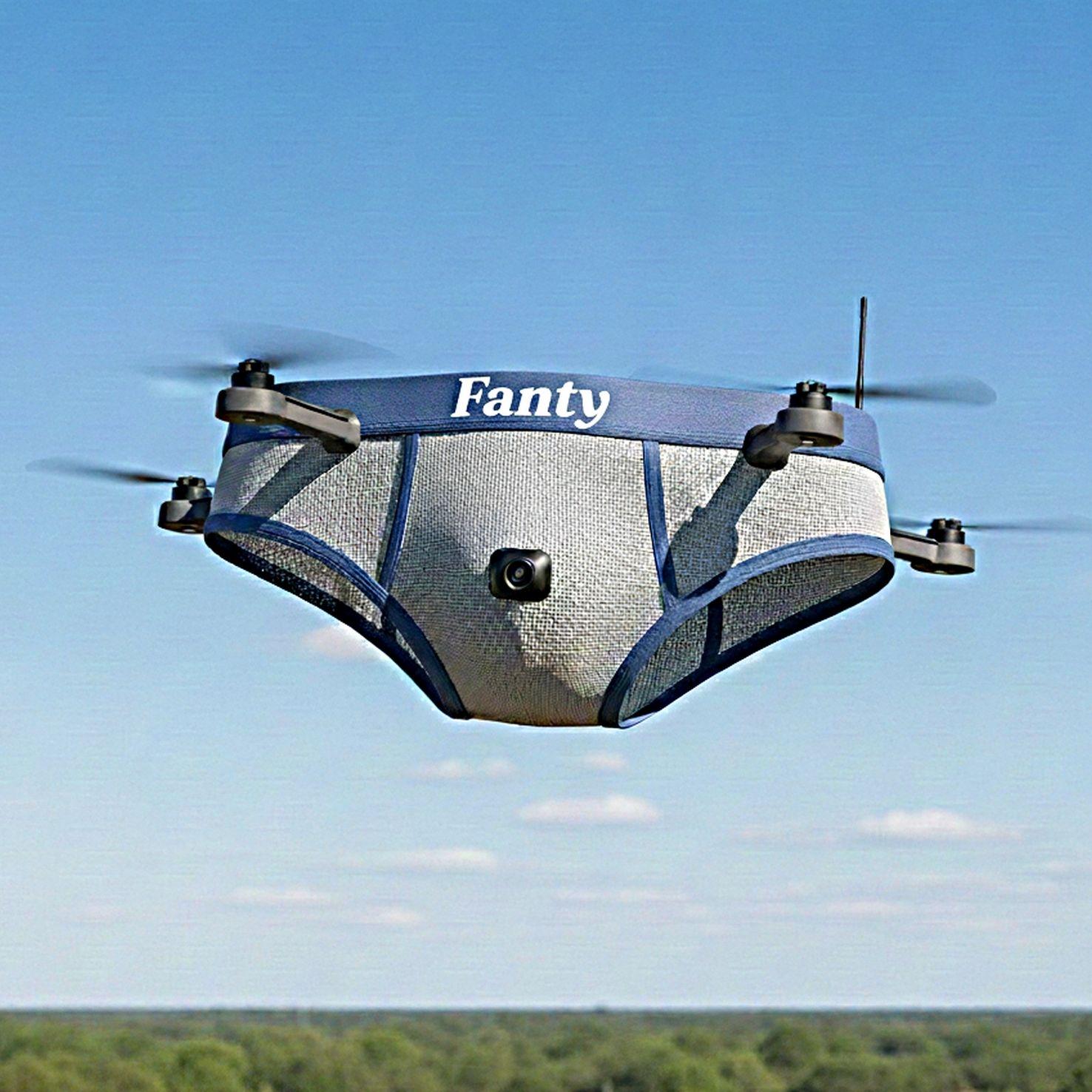
The work "Mutanda Drone" by Fanty Building (Enrico Thanhoffer Munico) is a provocative exploration of the vanishing boundaries between the body and technology. By merging a pair of briefs with a high-tech drone, the artist creates a digital surrealist icon that questions the nature of privacy in the 21st century.
1. Semantic Analysis: Intimacy as an InterfaceThe meaning of the work lies in the semantic displacement produced by joining two opposite spheres of human experience:
Private vs. Public: Underwear is the most intimate garment, a symbol of privacy and corporeal vulnerability. The drone is the ultimate tool of surveillance—the "public eye" that flies over physical barriers. By fusing them, the author suggests that no intimacy remains unmonitored.
Technological Anthropomorphism: The object is no longer a simple aircraft but a "technological body." The camera, strategically positioned in the pubic area, transforms the mechanical gaze into a fetishistic or voyeuristic one, inverting the garment's function (which should cover) into a function of visual capture.
Visually, the work follows the canons of Digital Surrealism:
Material Contrast: The porous, "human" texture of the grey mélange fabric contrasts with the smooth, black industrial finish of the rotors and the drone's chassis.
Composition: The drone is centered against a clear sky. This visual clarity gives the object a "divine" or monumental dignity, typical of high-fashion advertising, making the subject's absurdity even more striking.
The "Fanty" Brand: The text on the elastic waistband acts as both an author's signature and a parody of designer logos (reminiscent of Calvin Klein). It transforms the work into an imaginary consumer product, critiquing the market's tendency to "brand" every aspect of life.
The work serves as a satire of the Control Society:
Domesticating Technology: By turning a drone into a pair of briefs, the author suggests we have accepted technological intrusion as naturally as we put on clothes in the morning. Technology has become "comfortable," everyday, and almost invisible in its absurdity.
Irony and Desecration: There is a strong component of modern Dadaism. The work mocks contemporary technological anxiety by stripping the drone of its threatening or military aura and reducing it to a piece of flying laundry.
The "Mutanda Drone" uses irony to explore the loss of boundaries between the body and the machine. It is a visual commentary on our era, where surveillance is no longer just an external act but something we "wear" and carry with us, integrated into the very fabric of our social existence.
------------------------------------------------------------------------------------------------------------------------------------------------------------ 1. Analisi Semantica: L'Intimo come InterfacciaIl significato dell'opera risiede nello spiazzamento semantico prodotto dall'unione di due oggetti appartenenti a sfere opposte dell'esperienza umana:
Il Privato vs. Il Pubblico: La mutanda è l'indumento più intimo, simbolo di protezione della privacy e della vulnerabilità corporea. Il drone è lo strumento di sorveglianza per eccellenza, l'occhio pubblico che vola sopra le barriere fisiche. Fondendoli, l'autore suggerisce che non esiste più intimità che non sia monitorata.
L'Antropomorfismo Tecnologico: L'oggetto non è più un semplice velivolo, ma un "corpo" tecnologico. La telecamera, posizionata strategicamente nella zona pubica, trasforma lo sguardo meccanico in uno sguardo feticista o voyeuristico, invertendo la funzione dell'indumento (che dovrebbe coprire) in una funzione di cattura visiva.
Dal punto di vista visivo, l'opera segue i canoni del Surrealismo Digitale:
Contrasto Materico: La texture porosa e "umana" del tessuto grigio mélange della mutanda contrasta con la finitura industriale, liscia e nera dei rotori e della scocca del drone.
Composizione: Il drone è centrato, stagliato contro un cielo terso. Questa pulizia visiva conferisce all'oggetto una dignità quasi "divina" o monumentale, tipica della fotografia pubblicitaria di alta moda, rendendo l'assurdità del soggetto ancora più stridente.
Il Brand "Fanty": La scritta sull'elastico agisce come firma d'autore e come parodia dei loghi di design (si pensi a Calvin Klein). Trasforma l'opera in un prodotto di consumo immaginario, criticando la tendenza del mercato a "brandizzare" ogni aspetto della vita, anche il più ridicolo.
L'opera può essere letta come una satira della società del controllo:
Domesticizzazione della tecnologia: Trasformando un drone in un paio di slip, l'autore suggerisce che abbiamo accettato l'intrusione tecnologica con la stessa naturalezza con cui indossiamo i vestiti al mattino. La tecnologia è diventata "comoda", quotidiana, quasi invisibile nella sua assurdità.
Ironia e Dissacrazione: C'è una forte componente di Dadaismo moderno. L'opera ride dell'ansia tecnologica contemporanea, privando il drone della sua aura minacciosa o militare e riducendolo a un oggetto di biancheria intima volante.
"Mutanda drone" è un'opera che utilizza l'ironia per esplorare la perdita dei confini tra corpo e macchina. È un commento visivo sulla nostra epoca, dove la sorveglianza non è più solo un atto esterno, ma qualcosa che "indossiamo" e portiamo con noi, integrata nel tessuto stesso della nostra esistenza sociale.
Informazioni generali
-
Categoria: Architettura
Informazioni sulla vendita
- Disponibile: no
Informazioni Gigarte.com
- Codice GA: GA236189
- Archiviata il: 17/12/2025
Hai bisogno di informazioni?
Vuoi chiedere maggiori informazioni sull'opera? Vuoi conoscere il prezzo o fare una proposta di acquisto? Lasciami un messaggio, risponderò al più presto